
Before you go further
- Off-season shopping shows you the town without the crowds.
- New flood policies usually have a 30-day waiting period unless tied to a loan.
- Your readiness matters more than the month.
Beach towns live by the seasons, and so do their housing markets. When you shop affects what you see, how many buyers you compete with and how sellers think. There is no perfect month that works everywhere, but understanding the rhythm helps you choose a strategy, and prepare for the risks that come with each season.
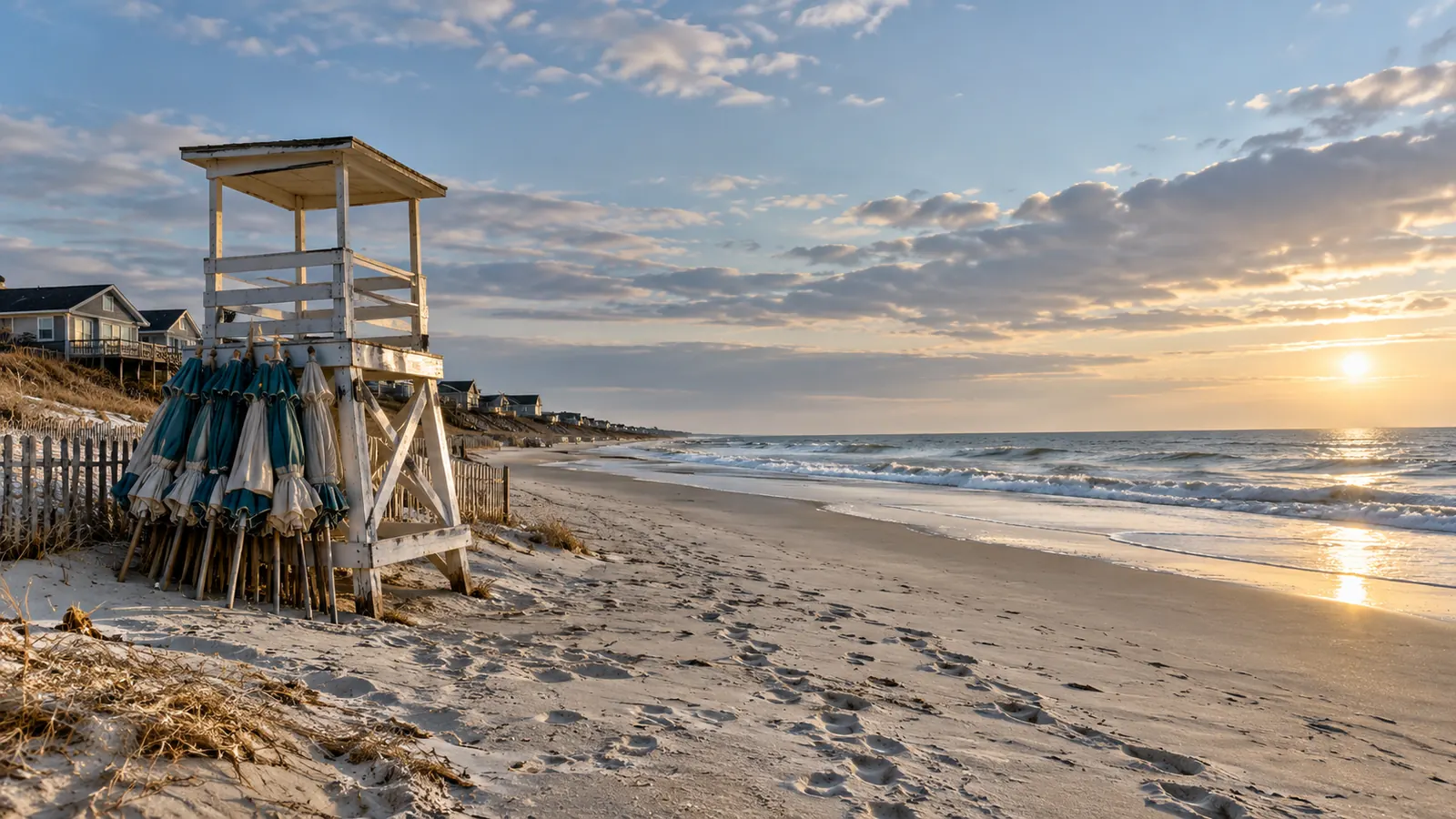
Shopping in the busy season
Summer is when most people visit the coast, and many buyers start looking while on vacation. Some sellers list during this period to catch them.
- Pros: more listings in some markets; you see the town at its liveliest; you can judge rental demand firsthand.
- Cons: more buyers competing; homes may be booked with renters and harder to show; sellers may feel less pressure to negotiate.
Shopping in the off-season
After the summer crowds leave, beach towns get quiet. That quiet can work in your favor.
- Pros: fewer competing buyers in many markets; sellers who did not sell in summer may be more flexible; you see what the town is like when it is empty, which matters if you plan to visit year-round.
- Cons: fewer listings; some businesses closed; weather can make showings and inspections harder.
Tip: Visit at least once in each season before you buy. A beach that is perfect in July can feel very different on a windy February afternoon, and that is when you may be there too.
Storm season and the purchase
On many coasts, part of the year brings a higher risk of storms. That affects buying in practical ways. Insurance can be harder to arrange when a storm is approaching, so ask your agent how insurers in the area handle that. Inspections may be delayed. And a storm between contract and closing can damage the home you are buying.
Plan your insurance early. New NFIP flood policies usually take effect only after a 30-day waiting period, though that does not apply when the policy is purchased in connection with making a loan. If you want coverage that your lender does not require, apply well ahead of closing. Ask your agent what your contract says about damage before closing and who bears that risk.
Rental calendar
If the home is rented to guests, the seller may have bookings into the future. Find out whether those bookings transfer to you, how deposits are handled and whether the closing date needs to work around them. A home with booked weeks can be a plus for a buyer who wants rental income, and a complication for one who wants to move in right away.
What an off-season visit can reveal
A quiet month is the best time to see a beach home honestly. Without crowds and summer light, you notice wind exposure, how the house handles cold and damp, whether neighbors live there year-round and which shops and restaurants stay open. It is also easier to talk with year-round residents about flooding on their street, parking, noise in season and how the town handles storms. If you plan to rent, ask local managers which months are busy and which are slow; the answer shapes both your budget and the weeks you keep for yourself. And if a home has been sitting through the off-season, ask why. Sometimes it is simply priced high; sometimes there is a reason worth knowing before you make an offer.
Interest rates do not follow the beach calendar
Mortgage rates change daily based on wider markets, not on the beach season. Waiting for a quieter month may help on price, but rates could move in either direction while you wait. Recalculate your budget whenever rates change, and get updated Loan Estimates when you are ready to buy.
A season-by-season plan
| Season | Good time to |
|---|---|
| Off-season | Visit, research towns and sale prices, shop with less competition |
| Before storm season | Finalize insurance quotes and schedule inspections |
| Busy season | Judge rental demand, traffic and noise; watch new listings |
| After the busy season | Look for sellers ready to negotiate |
Whatever the season, keep your documents current. A preapproval, recent bank statements and insurance quotes that are a few months old may need refreshing before you can act on a home.
Your readiness matters most
The best time to buy is usually when you are ready: your finances are in order, you have a preapproval, you know the towns and you have insurance quotes for the homes you like. Being ready lets you act quickly when the right home appears, in any month. For the rest of the process, see Buying a Beach Home, Step by Step, and for prices, What Beach Homes Sell For: How to Read Prices Town by Town.