
Before you go further
- Most homeowners insurance does not cover flood damage.
- NFIP policies typically have a 30-day waiting period, unless bought for a new loan.
- Lenders must accept qualifying private flood insurance.
Key takeaways
- Price insurance before you make an offer, not after.
- Expect separate coverage for flood, and check how wind and hurricane damage is covered.
- Know your deductibles, which can be large for storm damage.
- Compare NFIP and private flood quotes where both are available.
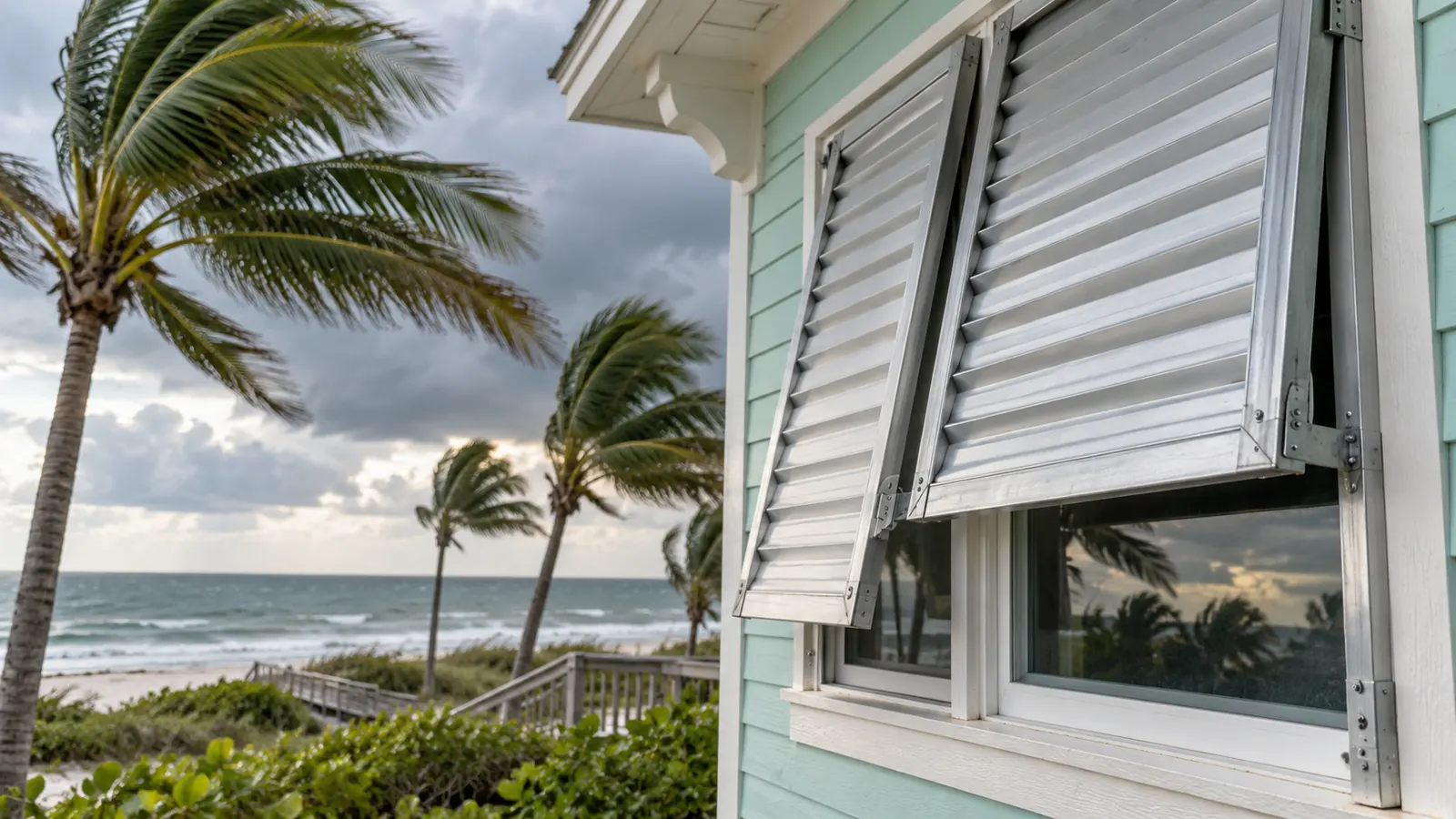
On the coast, insurance is not a detail you sort out the week before closing. It can change the monthly cost of a home enough to change which home you buy. The basic idea is simple: a beach home faces water and wind, and they are often insured differently. Here is how the pieces fit together.
Homeowners insurance covers less than buyers expect
A standard homeowners policy covers many risks, but FEMA is clear on the most important gap: most homeowners insurance does not cover flood damage. Flood insurance is a separate policy that can cover the building, its contents or both. For a home near the water, that separate policy is often the most important one you will buy.
Flood insurance: NFIP and private options
The National Flood Insurance Program, managed by FEMA, sells flood insurance through more than 47 insurance companies and through NFIP Direct. It is available in communities that participate in the program. You buy it through an insurance agent, often the same person who handles your home or auto policy.
Private flood insurance is another option in many areas. Federal law requires regulated lenders to accept private flood insurance that meets the legal coverage requirements, so you can compare both. Private policies may offer different limits, deductibles and prices; read the details rather than comparing only the premium.
When your lender requires it
If the home is in a Special Flood Hazard Area and you borrow from a regulated or government-backed lender, flood insurance is required for the life of the loan. The required amount is at least the outstanding loan balance or the maximum available coverage, whichever is less. Your lender will check the flood zone and tell you, but you should know the answer before you make an offer. See Flood Zones Explained for Beach Home Buyers.
The 30-day waiting period
New NFIP policies typically take effect only after a 30-day waiting period. That matters if you are buying a home that does not require insurance and you want coverage anyway. The waiting period does not apply when the policy is bought in connection with making a new loan, so a lender-required policy can start at closing, and there is also an exception connected to flood map changes.
Tip: If you want flood coverage that your lender does not require, apply as early as you can so the waiting period is over by the time you own the home.
Wind and hurricane coverage
Wind damage is usually handled through property insurance rather than flood insurance, which is why FEMA publishes guidance on telling wind damage from water damage when you file a claim. On the coast, wind coverage can come with its own rules. In some places it carries a separate, higher deductible for named storms or hurricanes, and in some high-risk areas it may be sold through a separate policy. Ask each insurer exactly how wind and hurricane damage is covered and what the deductible would be in dollars.
What drives the price
- Location and flood zone, especially open-coast V zones.
- Elevation of the home relative to expected flood levels.
- Construction: pilings, roof attachment, storm-rated windows and doors.
- Age and condition of the roof and systems.
- Claims history of the property.
- Deductibles you choose.
How to compare quotes
| Ask about | Why it matters |
|---|---|
| Building and contents limits | Contents may need separate coverage |
| Flood deductible | Affects both premium and out-of-pocket cost |
| Wind or hurricane deductible | Ask whether it is a flat amount or a percentage of the insured value |
| What is excluded | Some areas below the lowest floor may have limited coverage |
| Whether the policy transfers | FEMA lets an NFIP policyholder assign the policy, and any discount, to the buyer |
| Start date | Must be in force by closing |
Keeping costs down over time
Insurance is not fixed for life. Features that make a home more resistant to wind and water, such as storm shutters, impact-rated windows, a well-attached roof and equipment raised above expected flood levels, may lower premiums with some insurers. Keep receipts and photos of improvements and ask your agent which ones count. Review your coverage every year rather than letting it renew automatically, because rates, flood maps and the home itself change.
Before you sign the offer
Ask the seller for current declarations pages and any elevation certificate, then get your own quotes for homeowners, wind and flood. Add the totals to your monthly budget. If the numbers do not work, it is far better to know before you are under contract. For the rest of the buying path, see Buying a Beach Home, Step by Step.