
Before you go further
- Choose an independent inspector who is accountable to you.
- Ask about pilings, corrosion and roof attachment specifically.
- With an inspection contingency you can cancel if not satisfied.
Salt, sand, sun, wind and water are hard on buildings. A beach house can look perfect from the street and still hide corroded connectors, tired pilings or moisture behind siding. A good home inspection is essential for any purchase, and on the coast it pays to ask for more than the standard list. Here is what to focus on.
Start with the right inspector
The Consumer Financial Protection Bureau recommends an independent inspector who is accountable to you; an inspector paid by someone else, or only when the sale closes, may underplay problems. On the coast, also ask how many beach homes the inspector has looked at recently, whether they inspect under raised homes and crawl spaces, and when they recommend specialists. Book as soon as your offer is accepted so there is time for follow-up inspections.
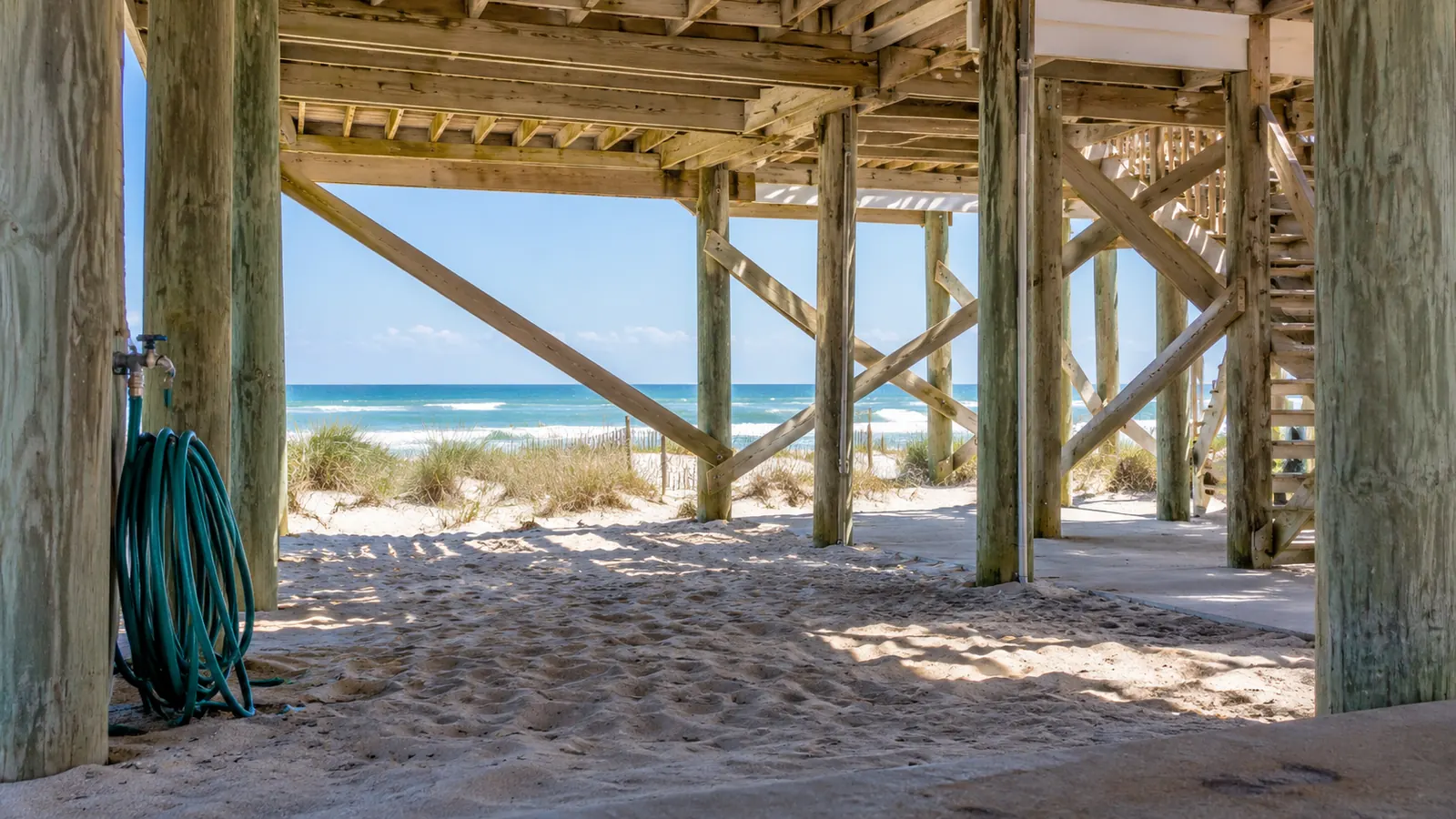
What is underneath: pilings and foundations
Many beach homes stand on pilings or raised foundations to keep living space above expected flood levels. Ask the inspector to look closely at:
- Pilings for rot, splitting, insect damage or erosion around their bases.
- Cross bracing and how it is attached.
- Connections between pilings and the beams above.
- Any enclosed areas below the living floor and what they are used for.
- Signs of past water or sand intrusion.
If the inspector sees anything unusual, a structural engineer familiar with coastal construction is the right next call.
Corrosion: the slow problem
Salt air speeds up corrosion. Metal connectors, fasteners, railings, outdoor stairs, light fixtures, electrical boxes and air-conditioning units can all deteriorate faster near the water. Ask the inspector to note rust and corrosion, especially on structural hardware and electrical equipment. Corroded connectors are not just cosmetic; they help hold the house together in wind.
Tip: Ask the inspector to photograph the outdoor air-conditioning unit and its coils. Salt exposure can shorten the life of outdoor equipment, and replacing it is a significant cost.
Roof, windows and doors
Wind finds weak points. Look at roof covering condition, how the roof is attached, flashing, and signs of leaks in the attic. Ask whether windows and doors are rated for storms, whether there are shutters or other protection, and whether they operate properly. Insurers often ask about these features, so documentation can help with your premium.
Moisture everywhere else
Moisture in coastal homes comes from storms, humidity and blowing rain. The inspector should check for stains, soft spots, musty smells, mold, failing caulk and siding that traps water. Decks and walkways deserve a careful look for rot and loose boards, since they take a beating from weather and foot traffic.
Specialists worth considering
| Specialist | When to call |
|---|---|
| Structural engineer | Concerns about pilings, foundations or framing |
| Roofer | Older roof, visible damage or questions about attachment |
| Pest inspector | Wood structures, especially in warm climates |
| HVAC technician | Older or corroded outdoor equipment |
| Septic inspector | Homes not on a sewer system |
| Surveyor | No elevation certificate, or questions about property lines and dunes |
Septic, wells and drainage
Some beach homes, especially in smaller communities, use septic systems or private wells instead of town sewer and water. A high water table and sandy soil can make septic systems work harder, and occupancy limits for rentals are sometimes tied to septic capacity. If the home has a septic system, a separate septic inspection is worth the cost; if it has a well, ask for a water test. Also look at drainage around the house: where rainwater goes, whether the driveway or yard ponds after storms, and whether neighbors’ runoff flows onto the lot.
Ask about storm history
Ask the seller what repairs were made after past storms and who did them, and request permits and receipts. Well-documented repairs are a good sign. Fresh paint and new drywall without records can mean a problem was covered rather than fixed. Combine this with the flood insurance claims history discussed in Flood Zones Explained for Beach Home Buyers.
Using what you learn
If repairs are needed, you can ask the seller to fix them, ask for a credit or lower price, or accept them and budget accordingly. If your contract has an inspection contingency and you are not satisfied, you can cancel without penalty within its terms. Some lenders may also require major repairs, such as a new roof, before closing. Share serious findings with your lender and insurance agent early.
After you buy
Keep the inspection report. It is a good maintenance plan for the first years: rinse salt off outdoor equipment, check connectors and railings regularly, and look under the house after every big storm. Next: Beach Home Closing Checklist.